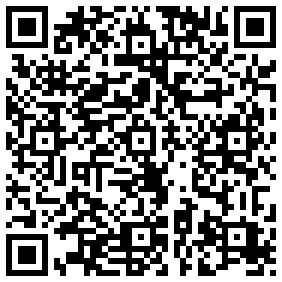
 By now, you’ve probably noticed images like the one on the left – a QR (Quick Response) code. A QR code is simply a two-dimensional barcode that can contain information (text, contact information, or even a website’s URL). To use it, take a picture of the code with your mobile phone’s camera, use a application to scan the image (for some phones, this step is automatic), and read the embedded message.
Generating QR codes is easy and free, using such tools as Kaywa’s QR-Code Generator.
Over the years, marketers have been trying to introduce a variety of technological gimmicks to attract attention. The advantage of a QR code is that it can contain a fair bit of information. The downside is it requires your audience to have access to a mobile phone camera and the motivation to immediately take action when seeing the code. Just like any call to action in your marketing, you need to provide a clear motivation to do so – otherwise your message is lost. In Japan and South Korea, people have been well-trained to use the QR Codes (even being used on grave markers).
 QR codes are encoded with data redundancy, which allows for images to still be scanned if the original image isn’t intact. This feature allows you the ability to customize your QR codes – purposely adding your own logo or branding to a QR code to attract a bit more attention (you need to do this carefully to ensure that your customized QR code still works). Since our human eyes only see a bunch of black and white squares, we quickly skip over the image to get to images we can make sense of. By adding a logo or other additional visual, we provide a visual anchor to attract more interest.
QR codes aren’t be the solution to your marketing strategy – but it’s an interesting tool to consider using in your marketing campaigns. And because the information can be linked to a URL, it means their benefit can be measured and tested.