Archive for June, 2010

I want a a business name, that incorporates Mobile Foot Care for everyone. I would like a catchy phrase on the back of my car like “Footspa” I want something funny perhaps for advertising like: “Do you know someone with ugly feet that need attention?”

I am the only one running my business. I work in a hairdressers where I do the reflexology part. I’d like to do a 20 minute Mini treatment while they wait for their dye job. Relax and Dye sounds a bit harsh!

###

Jay’s Answer:

  • Off Your Feet
  • Treat For Your Feet
  • Help For Tired Soles

I have an excellent advertising idea that I’m positive will be a huge hit, but don’t know who to talk to or where to begin. It involves all kinds of sports in all major cities from NFL to Soccer. I’m afraid to go into any detail, fearing my advertising idea will be stolen.

###

Jay’s Answer: Let’s say you’ve figured out the next-best idea for sports advertising. What’s it worth? Unless you’ve also written/tested the copy/images, researched best media to advertise in, have done lots of focus testing with groups (or even better yet, tried it with local sports teams in your area), you idea isn’t worth much. Because what you have is an idea, that teams of people need to act on. The acting on part costs money, and that’s where risk/reward comes in and has a value.

If your goal is to get noticed (by sports teams or advertising companies), produce the message/idea yourself. Create a website, write your own copy, even film your own videos and put them online. Make them public, and make them obviously connected to you. Make this whole idea one piece of your advertising portfolio. Enjoy the creative process (as a minimum) and hopefully get seen as an up-and-coming idea person.

Also, most agencies don’t want to talk with outsiders that have an idea. They don’t want to sign NDA (non disclosure agreements) for the simple reason that they may be working on something similar to your idea already. If you approach them and tell them your idea under NDA and they produce something similar, then they may have a lawsuit on their hands. Do talk to a lawyer, but realize that if someone takes your idea from you, it’ll cost serious $ to defend it.
We will be selling personal care items on a website (don’t want to say name of line because we have not trademarked it yet). The product is natural, great for skin, hair, and face. It has a variety of different uses and benefits. Want to portray the company as being fun, edgy, and beneficial. Gearing towards the younger crowd, but don’t want to single them out either.

###

Jay’s Answer:

  • Put Your Best Face Forward
  • 1st IMPRESSions

Busy street scene
Photo by Michal Fabry

If you’ve been struggling to attract new clients to your business, stop and think. If you’re selling something people have never seen before, then you need to educate them – and that takes both time and money. But more likely, you’re just another business in the pool of choices for people.

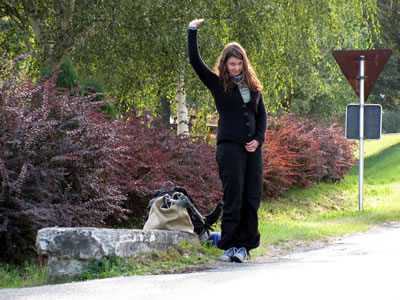
Think of your prospects as cars on a road and your business as a hitchhiker on the side of the road, looking for a car to stop and give you a lift. Cars in the fast lane won’t even notice you – you’re not in their field of vision. They have too much invested in going fast and simply being on the side of the road won’t inspire them to slow down, switch lanes, and apply the brakes. Cars in the slow lane are more likely to stop – they have time to look you over and perhaps read your sign for help (“Car Died. Need Lift To Work.”) If your message/presentation invokes trust, then someone is likely to stop.

Customers are likewise busy driving about. If they are fiercely loyal to certain brands/companies, then they are in the fast lane. They’re not looking to switch brands, maybe just switch to the latest offering. So, you’re unlikely to be noticed by them. Instead, focus on people who are entering the roadway – those that have no loyalty yet and are looking for a solution to their problem. If you have the right message for them, you’re likely to get noticed. If you have the right offer and the right trust level, you’re likely to have people slow down to check you out. And perhaps, have them stop and pick you up from the side of the road (and tell their friends about you as well).

Focus your message on those that are likely to want to hear it.

Do It Yourselfer
Photo by Colleen Koenig

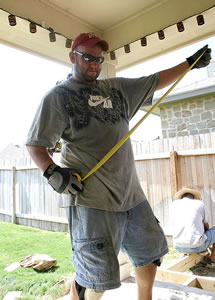
How does your business treat do-it-yourselfers (DIYers)? Do you only offer premium products that require a special service call to install/maintain? Do you offer services that only your skilled factory technicians are allowed to do (otherwise the customer will void their warranty)? Since do-it-yourself-ers (DIYers) make up a vocal minority, make sure that your marketing doesn’t ignore them (or worse, fight against them). If you don’t have a plan to work with DIYers, you’ll eventually be wondering why your always-successful business is starting to struggle.

Some DIYers enjoy learning new skills. Others may simply like save money. Sometimes even it’s just the point of feeling like they could, if they wanted to, do it them self. Whatever the reason, DIYers are never passive customers. They ask a lot of questions. They study your marketing materials very carefully. They want to understand both the short-term and long-term implications of your offering. And once they choose, they’re quite loyal and vocal. They proudly tell others about their latest projects, challenges, and accomplishments. They’ll share their techniques with their friends.

It’s easy to dismiss DIYers as annoying prospects. They don’t follow your standard marketing pitch. They don’t accept what you’re saying at face value. They want to dig for details. They want to engage your technical people at length. If you have your own fleet of service people, DIYers want to know why they can’t do the service themselves. They can read manuals. They have their own tools. They are smart. And they can be stubborn.

Instead of working against DIYers, freely share your (non-confidential) information with them. Let them understand the skills necessary and the risks that they’ll face. You might find that DIYers won’t really want to do the job themselves once they comprehend the full scope of responsibility. And instead of pushing DIYers away, you’ll develop a passionate group of vocal ambassadors.